

I used to think drawings were just pretty pictures
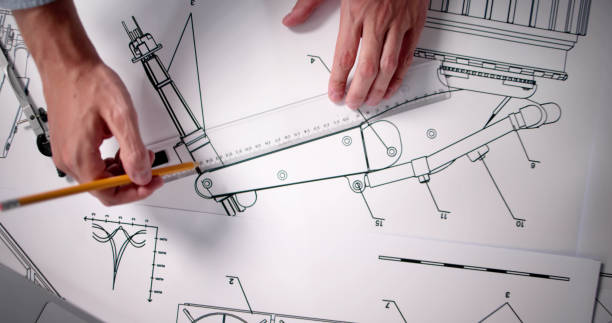
When I first started writing about patents, I figured the text was the heavy hitter — all those paragraphs, explanations, and claims sounded like the real meat. Turns out I was sorta wrong. With design patents, the drawings are the meat. They aren’t just complements to a description, they are the description. That’s why Design Patent Drawings matter more than most inventors realize.
I remember one inventor proudly showing me what he thought were great drawings — they looked like sketches from a weekend DIY class. The attorney took one look and said, “We can’t file this.” It was a rude wake-up call, but a good one. Without clear visuals, a design patent is basically invisible.
Drawings tell the story — the text just backs it up
Here’s a weird truth: in design patents, examiners barely read the text unless the drawings confuse them. The visuals are the first thing they judge. Miss a view, get a perspective wrong, or skip a detail and the examiner will come back with objections faster than a Twitter troll on a bad take.
Good Design Patent Drawings show the invention from all the essential angles: front, back, sides, top, bottom, and sometimes more. They’re like a photo shoot that has to capture every twist and curve of a product so someone who’s never seen it can see it clearly. No guesswork allowed.
The patent office doesn’t trust guesses
Patent examiners are like curators in a museum — they decide which pieces actually belong. If your drawings look like abstract art, they’ll say so. And they don’t hold back. Online patent groups on Reddit and Twitter are full of people sharing unintentionally hilarious drawings and debating whether what was drawn even existed in real life.
One comment I saw said, “If your drawing looks like a spaghetti monster, don’t be surprised when it’s rejected.” Harsh? Maybe. But also kind of accurate. Examiners aren’t there to guess your intent. They only see what’s on the page.
Little details that suddenly matter a lot
Most inventors don’t realize how precise design patent drawings need to be. It’s not enough that it resembles your product. Everything from line thickness to the way curves are shown communicates something legally. Even shading isn’t just decoration — it can indicate surface contour.
Broken lines show unclaimed parts. Solid lines show claimed features. Forget to use them correctly and you might be claiming less than you think — or worse, nothing at all. It’s like describing your favorite snack without mentioning the flavor — people might nod, but they don’t get it.
I saw this play out in real life
A client once told me they tried DIY drawings to save money. They used their phone camera, some rough annotations, and figured that’d be enough. When the patent attorney reviewed it, the feedback was basically “nope.” It wasn’t even about “bad art.” It was about clarity. The drawings didn’t clearly show what was claimed.
Once they invested in professional Design Patent Drawings, suddenly the application made sense. Examiners stopped asking for clarification. The client joked it was like switching from a blurry selfie to a high-res photo shoot. And honestly, I think that’s a pretty perfect analogy.
Social media chatter isn’t just noise
Patent pros on LinkedIn groups aren’t shy about showing poor drawings they’ve encountered. Some look like aliens sketched a product. People joke, but behind the humor is a real lesson — bad visuals slow down your application and make examiners question your design’s uniqueness.
And investors care about this stuff too. One founder mentioned in an online thread that a VC questioned their entire IP strategy because the drawings were sloppy. That’s a rough Yelp review you don’t want when you’re aiming for funding.
Why DIY usually ends up costing more
I get the urge to keep costs low. Many inventors try to do their own drawings or use free online tools. But unless you really know the USPTO rules for design patents, you’re basically flying blind.
It’s like trying to bake a soufflé from memory — you think you know the recipe until it collapses. Professional drawings follow specific conventions and requirements that ensure examiners interpret your invention the way you intend.
My honest take (and a bit of sarcasm)
Look, I’m not saying that bad drawings are criminal art. But if your idea is worth protecting, treating the visuals like an afterthought is like bringing a butter knife to a sword fight. You might think you’re prepared, but you’re not.
Strong Design Patent Drawings make your design clear, defensible, and examiner-friendly. They’re the visual handshake between your idea and the patent office. If that handshake is weak or awkward, the process gets stuck.
The bottom line
If your invention has a look, a shape, or a visual identity, don’t sleep on the drawings. They aren’t just pictures — they’re legal representations of your creative work. Invest in clarity, get the angles right, and save yourself the headache of revisions and office actions.