
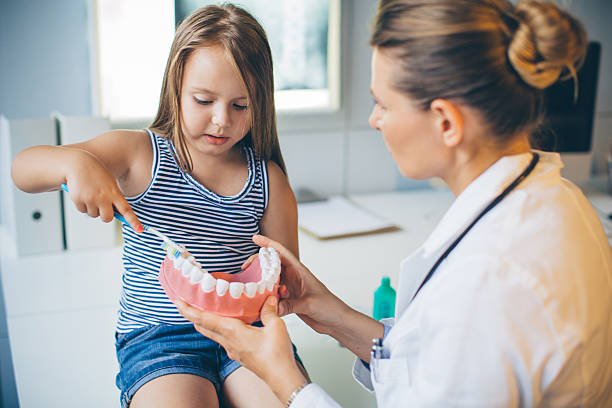

Kids fall, kids collide with things, and sometimes those accidents involve their teeth. Knowing what to do in the first few minutes after an injury can make a real difference in the outcome, which is why it helps to already know where to find an emergency pediatric dentist South Jordan families can call before an emergency actually happens rather than scrambling to figure it out mid-crisis.
The most common dental emergencies in kids involve a knocked-out tooth, a chipped tooth, or sudden severe pain that comes on without warning. Each of these situations calls for a slightly different response, but the general rule holds true across all of them. Acting quickly and calmly gives the tooth, and your child, the best chance at a good outcome.
If a permanent tooth gets knocked out, time is critical. Rinse the tooth gently without scrubbing it, try to place it back in the socket if possible, and if that is not doable, keep it in a small container of milk while you head to the dentist. Guidance from KidsHealth.org notes that a knocked-out permanent tooth has the best chance of being saved if it is reinserted or properly preserved within about half an hour of the injury, which underscores just how much speed matters in that moment.
Baby teeth are a bit different, since they are not typically reinserted, but a dentist still needs to evaluate the area to make sure nothing else was damaged and that the permanent tooth developing underneath is not at risk. Even injuries that seem minor on the surface can affect deeper structures, so a professional evaluation is worth the trip even when things look okay at first glance.
Preventing these injuries in the first place matters just as much as knowing how to respond. Mouthguards during sports, careful supervision on playground equipment, and general awareness of tripping hazards at home all reduce the odds of a dental emergency happening in the first place. Resources from Safe Kids Worldwide offer practical guidance on childproofing and injury prevention that goes well beyond dental health, covering a lot of the everyday risks that lead to these kinds of accidents.
Toothaches without an obvious injury deserve attention too. Sudden or persistent pain can signal a cavity that has progressed further than expected or, in some cases, an infection that needs prompt treatment. Waiting to see if it goes away on its own is rarely the right call when a child is in real discomfort, especially since dental infections can escalate quickly if left untreated.
Every family should have a plan before an emergency happens, not during one. Save the office number in your phone, know the basic first steps for a knocked-out or chipped tooth, and understand what qualifies as urgent versus something that can wait for a regular appointment. Having that plan ready removes a layer of panic when something actually goes wrong.
Dental emergencies are stressful by nature, but they do not have to be chaotic. A little preparation, combined with quick access to a team experienced in urgent pediatric care, turns a scary moment into a manageable one and gets your child back to smiling as soon as possible.