
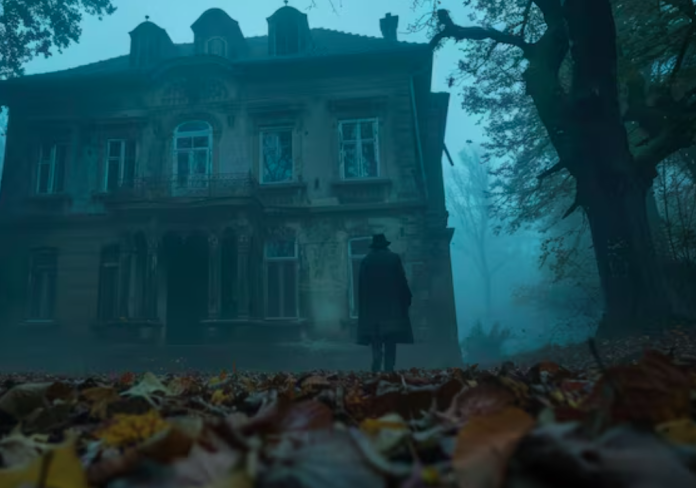

As the autumn leaves begin to fall and the air turns crisp, many enthusiasts seek out the thrill of a professional scare. The immersive world of themed horror has evolved from simple jump scares into sophisticated theatrical productions that utilize high-end technology and psychological storytelling.
However, not every venue offers the same level of quality or safety. To ensure that your experience is both terrifying and enjoyable, it is important to evaluate the specific elements that contribute to a successful seasonal outing.
Choosing the right haunted house attraction requires a balance of checking for safety standards, production values, and the type of horror that best suits your preferences. Here are four essential factors to keep in mind when planning your next visit to a local haunt.
1. Safety Protocols and Fire Regulations
The most critical factor in any public event is the physical safety of the attendees. A reputable haunted house attraction must adhere to strict local fire codes and building regulations.
This includes the presence of clearly marked emergency exits, fire suppression systems, and well-trained staff members who can manage crowds in the event of an emergency.
When researching a location, look for venues that openly discuss their safety measures and have a visible security presence. Ensuring that the environment is structurally sound and free of trip hazards allows you to focus on the fun of being scared without worrying about real-world dangers.
2. Intensity Levels and Scare Tactics
Horror is subjective, and what one person finds mildly entertaining, another may find genuinely traumatizing. Some attractions focus on high-energy jump scares, while others lean into psychological horror or gore.
Before purchasing a ticket, check the website for information regarding the intensity level. Many venues offer different ratings or “no-scare” tours for younger audiences.
If you are looking for an extreme haunted house attraction, you might prefer a place that utilizes “contact” actors, whereas those who prefer a traditional experience might opt for a “no-contact” rule where actors maintain a respectful distance.
3. Production Value and Immersive Detail
The effectiveness of a haunt often depends on its ability to transport guests into another world. High production values involve detailed set designs, professional-grade animatronics, and cinematic lighting effects.
A quality haunted house attraction will invest in realistic costumes and makeup, moving beyond basic masks to create truly unsettling characters. Pay attention to the use of soundscapes as well; a layered audio design can build tension more effectively than sudden loud noises.
The more immersive the environment, the more likely you are to lose yourself in the narrative and experience a genuine adrenaline rush.
4. Wait Times and Crowd Management
During peak weekends, the most popular haunts can have incredibly long lines. Effective crowd management is a sign of a professional operation.
Look for venues that offer timed entry tickets or “fast pass” options to minimize the time spent standing in a queue. Additionally, consider how the attraction manages the flow of people through the actual haunt.
If groups are sent in too close together, you may experience the “conga line” effect, where the scares are triggered for the people in front of you, ruining the surprise. A well-managed venue ensures that each group feels isolated within the dark hallways.