
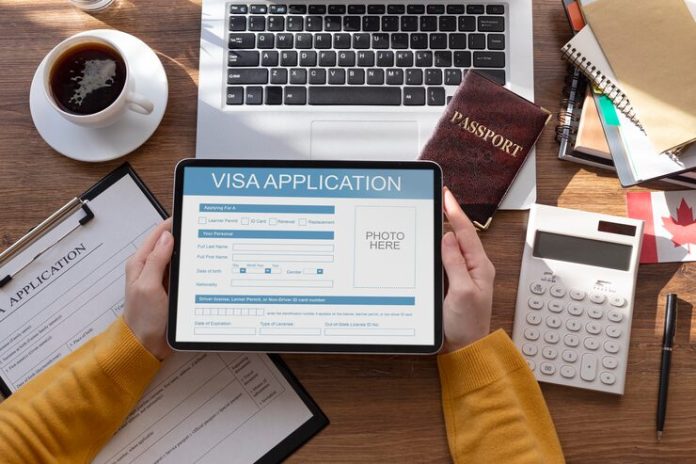

Saudi Arabia continues to expand access for travelers from the United States, but visa compliance remains strict. While Americans now benefit from streamlined digital systems and broader eligibility, misunderstandings about entry rules, permitted activities, and visa limitations still cause delays and denied entry. For U.S. citizens, successful travel depends on choosing the right visa and aligning plans with Saudi immigration requirements.
This guide explains how Saudi visas work specifically for Americans, what to consider before applying, and how to avoid common entry problems.
Do Americans and U.S. Citizens Need a Visa for Saudi Arabia
Yes. All Americans and U.S. citizens must hold a valid visa before traveling to Saudi Arabia. There are no visa-on-arrival or visa-free exemptions for U.S. passport holders.
The good news is that many U.S travelers are eligible to apply for their Saudi visa online, which simplifies the process and eliminates the need for consulate visits. However, digital access does not reduce enforcement—accuracy and compliance remain essential.
Understanding the Main Saudi Visa Options for Americans
Saudi Arabia offers several visa categories that Americans commonly use. Tourist visas are the most popular and allow leisure travel, sightseeing, and cultural exploration.
Visit visas are often used for family or personal visits, while religious visas apply to travelers planning Umrah. Each visa category has specific conditions that define what activities are allowed and how long travelers may stay.
Choosing the correct visa category is more important than speed or convenience.
Saudi Tourist Visas for Americans
The Saudi tourist eVisa for Americans is designed for leisure-focused travel. It allows Americans to explore cities, attend cultural events, and travel between regions for tourism purposes.
This visa does not permit employment, consulting, or business services. Americans should ensure their itinerary stays within leisure boundaries to avoid questioning at immigration.
Tourist visas are flexible when used correctly, but misuse can affect future approvals.
Religious Travel and Umrah Visas
Americans planning to perform Umrah must ensure they meet current religious entry requirements. Depending on regulations at the time of travel, U.S pilgrims may need to apply for their Umrah visa online rather than relying on a standard tourist authorization.
Umrah access rules can change based on season and capacity. Religious travelers should confirm eligibility shortly before departure to avoid denied access to Mecca or Medina.
Religious travel is purpose-specific and closely monitored.
Visa Validity vs Length of Stay
One of the most common mistakes Americans make is confusing visa validity with authorized length of stay. Visa validity refers to the period during which the visa can be used. Length of stay refers to how many days a traveler may remain in Saudi Arabia per entry.
A visa may be valid for months or years but still limit each stay to a specific number of days. Overstaying, even unintentionally, can result in fines and future visa issues.
Tracking stay limits is essential for compliance.
Applying Online and Why Accuracy Matters
Most Americans benefit from digital application systems, making it easier to apply for your Saudi visa online. However, these systems rely heavily on automated verification.
Names, passport numbers, dates of birth, and passport validity must match exactly. Even small errors can result in rejection or delays.
Applying early allows time to correct mistakes without travel pressure.
Arrival and Immigration for U.S. Citizens
Upon arrival, U.S. citizens undergo standard immigration screening. Officers may ask about travel purpose, length of stay, and accommodation details.
Answers should align precisely with the visa category. Inconsistent explanations can lead to additional screening or refusal of entry.
Travelers should carry digital and printed copies of visa approvals and booking confirmations.
Multiple Trips and Repeat Travel
Many Americans travel to Saudi Arabia more than once per year for tourism, family visits, or religious purposes. Repeat travel increases scrutiny, especially if stays are long or frequent.
Americans should ensure each trip aligns with the visa used and avoid patterns that resemble residency. Exiting and reentering repeatedly without clear purpose can create problems at immigration.
Planning travel patterns carefully protects long-term eligibility.
Combining Tourism With Religious or Family Travel
Some Americans plan trips that include tourism, family visits, and religious activities. While this is possible, travelers must confirm that their visa allows each activity.
Religious access is regulated separately from tourism. Travelers should not assume that holding a tourist visa automatically allows Umrah.
When in doubt, applying online for a Saudi visa under the appropriate religious category is the safer option.
Common Mistakes Americans Make With Saudi Visas
Applying under the wrong visa category
Assuming visa validity equals permitted stay
Misunderstanding religious access rules
Entering incorrect passport information
Applying too close to departure
These mistakes are avoidable with early planning and careful review.
Best Practices for Americans Applying for Saudi Visas
Apply early and review application details carefully
Choose a visa that matches actual travel activities
Track entry and exit dates precisely
Avoid scheduling departures on the final permitted day
Monitor updates to religious travel rules
These practices significantly reduce risk.
Why Online Visa Systems Benefit Americans
Digital visa systems allow Americans to manage applications efficiently and access approvals anywhere. Travelers planning leisure trips benefit from the Saudi tourist eVisa for Americans, while pilgrims benefit from the ability to apply for your Umrah visa online.
Online systems support faster processing, but they demand accuracy and responsibility from applicants.
Planning Ahead Protects Future Travel
Saudi immigration systems track travel history. Americans who comply with visa conditions are more likely to receive approvals in the future.
Overstays, misuse, or inconsistent information can affect eligibility across all visa types.
Maintaining a clean travel record is especially important for frequent visitors.
Final Thoughts
Saudi Arabia offers Americans and U.S. citizens more access than ever before, but visa rules remain firm. Successful travel depends on understanding visa categories, applying accurately, and respecting stay limits.
Americans should take advantage of digital access to apply for your Saudi visa online, confirm religious eligibility before they apply for your Umrah visa online, and use the Saudi tourist eVisa for Americans appropriately for leisure travel.