
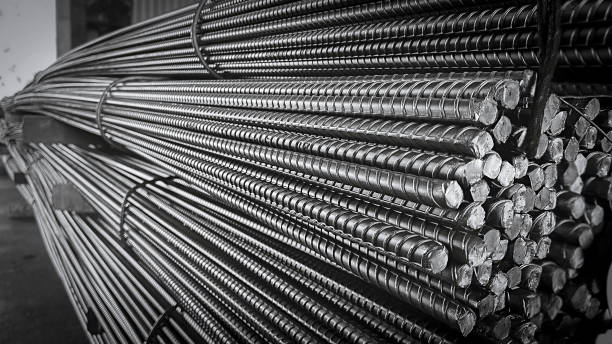
 is Tmt bar price.)
I’ve noticed that anytime construction comes up in Raipur, the first thing people whisper about (sometimes literally at the tea stall) is Tmt bar price. Not cement, not sand, not even labour. Just steel. And honestly, I get it. Steel feels like that one friend who’s chill one day and randomly expensive the next, no warning, no apology.
A few months back, my uncle decided to add one extra floor to his house. Simple plan, or so he thought. The mason asked for the steel quantity, the contractor sighed deeply like life just hit him, and then came the price discussion. That’s when I realized how much mood swings the steel market actually has. One week it’s manageable, next week everyone’s acting like the rates jumped after having too much coffee.
Why steel rates feel so unpredictable
Steel pricing isn’t magic, even though it looks like it sometimes. Think of it like vegetables in the market. When tomatoes suddenly go crazy expensive, there’s always a story behind it. Rain, transport issues, demand spikes, or some random news that spreads faster than facts on WhatsApp.
TMT bars work the same way. Raw material costs, mostly iron ore and coal, go up or down. Fuel prices mess with transportation. Demand from infrastructure projects suddenly shoots up, especially when government projects kick in. In places like Raipur, where construction never really sleeps, demand has a habit of staying high.
Something people don’t talk about much is local stock availability. If distributors are holding inventory expecting prices to rise, the market feels tight even if production is stable. It’s kind of like hoarding umbrellas when the clouds look suspicious.
What most buyers don’t realize
Here’s a small thing I learned while talking to a supplier (nice guy, but complained a lot). Not all TMT bars behave the same on site. Fe500, Fe500D, Fe550… these grades affect strength and flexibility, and yes, pricing too. Many small builders just ask for “standard bar” and hope for the best. Later, they wonder why costs went off track.
There’s also brand perception. Some contractors swear by certain manufacturers like it’s a family tradition. Even if two bars meet the same standards, one brand will sell faster because someone’s cousin once used it and nothing broke. Social proof beats logic more often than we admit.
Online chatter plays a role too. I’ve seen Telegram groups and local Facebook pages where people panic-post about steel rates rising “from tomorrow”. Half the time it’s exaggerated, but the panic itself pushes buyers to rush, which ironically pushes prices up. Self-fulfilling stress.
Timing your purchase (or at least trying to)
Trying to perfectly time steel purchases is like trying to enter the bus exactly when it’s empty. Possible, but don’t bet your sanity on it. That said, some patterns exist. Rates often cool down slightly during monsoon because construction slows. Festive seasons sometimes see demand jump. End-of-month deals do exist, but only if you have good relations with suppliers.
One contractor told me he buys in smaller lots instead of bulk, just to spread the risk. Another does the opposite and locks prices early. Both swear their method is smarter. I guess that’s construction logic for you.
Also, transportation cost matters more than people think. A supplier closer to your site might give a slightly higher base rate but still save money overall. These tiny math things get ignored until the final bill lands like a slap.
Local market vibe and ground reality
Raipur’s steel market has its own personality. It’s fast, competitive, and very relationship-driven. If you’re new, you pay “learning fees”. If you’ve been around, you get calls when rates are about to change. That’s not written anywhere, but everyone knows it.
What surprised me is how often people check prices without planning to buy immediately. It’s like checking fuel prices daily even when your tank is full. Just curiosity mixed with anxiety. Lately, I’ve noticed more people googling and cross-checking before calling dealers, especially younger builders. They want some reference point before negotiating.
And yes, negotiations still happen. Not aggressive Bollywood-style bargaining, but quiet back-and-forth with tea involved.
So what should buyers actually focus on
Instead of obsessing only over daily fluctuations, it helps to look at overall project planning. Steel usually isn’t bought once. It’s spread over phases. Small changes average out over time. Panic buying almost always hurts more than it helps.
Quality checks matter too. A slightly cheaper bar that bends wrong or rusts early isn’t a bargain. It’s a headache with interest. I’ve seen people save a little upfront and lose a lot later in repairs or reinforcements.
And documentation. Bills, test certificates, batch details. Boring stuff, but when something goes wrong, boring becomes very important.
Ending thoughts from someone who’s seen a few price charts
By the time a project reaches its final stage, most people stop remembering exact numbers. They remember whether things stayed manageable or turned stressful. Steel prices are part of that story, not the whole thing.
If you’re tracking Tmt bar price toward the later stages of your build, chances are you’ve already felt those ups and downs. At that point, clarity matters more than perfection. Knowing where the market stands locally, who you’re buying from, and what quality you’re getting usually beats chasing the absolute lowest number.