
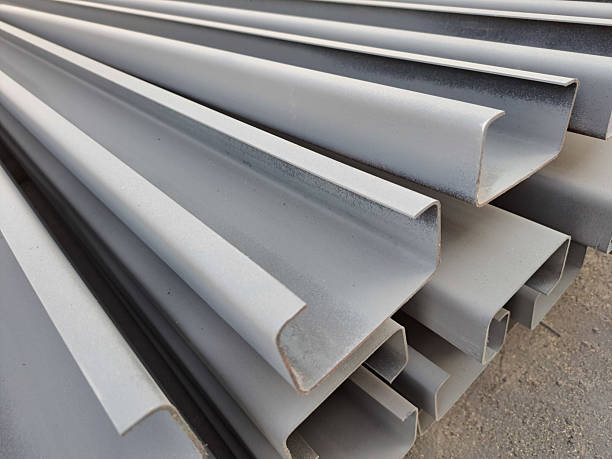

I still remember the first time I heard someone casually say “just use MS channel” on a construction site, like it was salt or cement or chai. No explanation, no drama. Later I figured out how important it actually is. Steel Ms channal doesn’t shout for attention, but it’s everywhere, quietly doing the heavy lifting while concrete gets all the praise. Kind of unfair, honestly.
Most people outside construction don’t even know what it looks like. It’s not fancy. It’s not glossy. It’s shaped like a squared-off “C” and that’s it. But that shape is doing more work than it looks like. It’s like that friend who never posts on Instagram but somehow always has their life together.
Why Builders Keep Coming Back to It
There’s a reason engineers and fabricators keep choosing this steel over and over. Strength is obvious, yeah, but it’s also predictable. You know how some materials act differently depending on mood, weather, or supplier? This one behaves. Mild steel channels don’t suddenly decide to be dramatic.
A lesser-known thing is how well this steel handles stress that’s not straight-on. Buildings don’t just stand still. Wind pushes, loads shift, vibrations happen. That channel shape helps distribute stress sideways, not just vertically. I once read a stat buried in a forum thread (not a polished report, just builders talking) saying channel sections can improve load resistance by around 20–25 percent compared to flat sections of similar weight. Not something you’ll see on a brochure.
And yeah, it welds nicely. That matters more than people admit. If welding feels like fighting the metal, workers curse the material for days. MS channel is… cooperative.
The Price Factor Nobody Brags About
Let’s be real. Budget talks. And steel prices are like crypto sometimes, up one month, painful the next. One thing people on Reddit and Indian construction Twitter keep mentioning is how mild steel channels tend to stay relatively sane price-wise compared to more specialized sections.
It’s not dirt cheap, don’t get me wrong. But for the strength you get, it’s kind of a bargain. Like buying a sturdy phone that doesn’t have the best camera but never cracks when it falls. Contractors like predictable costs because surprises kill timelines faster than rain.
Also, transportation is easier. The shape stacks better than round sections, which sounds boring but saves money. A truck carrying more steel in one trip means fewer trips. Fewer trips means fewer headaches. These tiny things add up, even if no one posts about them online.
Where You Actually See It (Even If You Don’t Notice)
You’ve probably walked past steel channels today and didn’t even realize it. Warehouse frames, stair supports, truck bodies, platform edges, even some railway components. It’s hiding in plain sight.
A fabricator once told me MS channels are like jeans. Not formal, not athletic wear, but they fit almost every situation well enough. That stuck with me. Especially in industrial sheds and factory buildings, channels are everywhere because they’re easy to modify on-site. Need to drill? Cut? Extend? No drama.
There’s also this trend I’ve noticed on YouTube construction shorts. People love showing glossy beams and big I-sections, but in the background, you’ll almost always spot channels holding secondary frames together. They don’t get the spotlight, but remove them and everything starts feeling… loose.
Durability and the Boring Kind of Reliability
Steel rusts. Everyone knows that. But mild steel channels, when treated properly, last longer than most people expect. Galvanized or painted channels can easily survive decades in normal conditions. I’ve seen old factory structures from the early 90s still using the same channels, scratched, faded, but standing.
There’s something comforting about that. In a world where stuff breaks right after warranty ends, this steel just keeps going. It doesn’t care about trends or aesthetics. It’s not trying to be innovative.
One niche fact that surprised me was how channels are often preferred in seismic zones for secondary framing. Not because they’re magical, but because they deform in a more predictable way under stress. Engineers love predictable failure more than “strong but brittle” any day.
Online Chatter and Ground Reality
If you scroll through contractor forums or even comment sections under steel supplier posts, you’ll see the same thing repeated in different words. “Easy to work with.” “Strong enough.” “Good value.” Not very poetic, but honest.
Some people complain it’s too heavy. Fair. Others say it’s not as clean-looking as hollow sections. Also fair. But very few say it’s unreliable. That’s saying something in an industry where everyone complains about everything.
There was this one meme I saw floating around WhatsApp groups saying, “Concrete shows off, steel does the work.” Cringe maybe, but also… accurate.
Ending Where It Matters Most
So yeah, steel channels aren’t glamorous. They won’t trend on social media unless something goes wrong. But they quietly keep structures upright, machines aligned, and platforms safe. And that’s kind of powerful in a boring way.
If you’re sourcing materials and looking at Ms channal options, it’s worth remembering you’re not just buying steel. You’re buying predictability, strength, and fewer late-night phone calls from site supervisors. Not exciting, but very real.