

Key Takeaways:
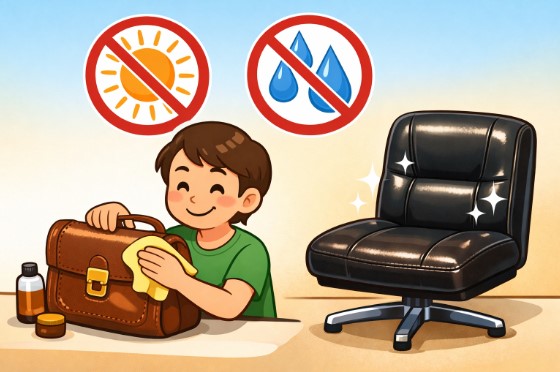
- Regular maintenance extends the life and appearance of leather goods.
- Proper cleaning and conditioning prevent common leather issues.
- Professional restoration can rejuvenate aged or damaged leather items.
Table of Contents:
- Introduction to Leather Care
- Daily Maintenance Practices
- Cleaning Techniques for Different Leather Types
- Conditioning: Keeping Leather Supple
- Storage Solutions to Prevent Damage
- Addressing Common Leather Problems
- When to Seek Professional Restoration
- Conclusion
Introduction to Leather Care
Leather is renowned for its timeless appeal, remarkable durability, and versatility. Found in everything from jackets to shoes and home décor, it is a material that speaks of quality and sophistication. Despite its inherent strength, leather requires attentive care and maintenance to retain its elegance and functionality.
Whether you own a cherished armchair, luxury handbag, or premium leather belts Scottsdale AZ, knowing how to maintain and protect your leather ensures this investment will last for many years. Below are essential tips and practices for preserving leather’s beauty and usefulness for generations to come.
Daily Maintenance Practices
The longevity of leather largely depends on consistent, simple upkeep. Always store leather goods away from direct sunlight, which can fade colors and dry them out. Use a soft, dry cloth to wipe away dust or dirt after each use, especially for items like jackets, purses, and wallets. Regular gentle cleaning eliminates debris that can abrade the surface and rob leather of its natural luster.
Avoid exposure to excessive moisture, which can stain or deform leather. If leather gets wet, allow it to air dry away from direct heat sources, and gently reshape items to their original form. Quick attention to spills can prevent stains from setting and help save time-intensive restoration later on.
Leather surfaces can also be affected by body oils and lotions, particularly on commonly touched areas such as armrests and collars. Blotting these areas regularly with a clean cloth can help minimize long-term discoloration and buildup.
For a comprehensive set of leather care guidelines, reference the tips provided by the Leather Working Group, a leader in sustainable and effective leather maintenance practices.
Cleaning Techniques for Different Leather Types
Not all leather is created equal. Aniline, semi-aniline, pigmented, and nubuck leathers each have distinct characteristics and cleaning needs. Aniline leather, prized for its softness, is more susceptible to staining and requires a delicate, pH-balanced cleaner. Pigmented leather is more durable and can tolerate occasional use of mild soap and water, though specific cleaners are still recommended.
Suede and nubuck demand extra care. A soft brush or specialized eraser removes dirt, but liquid cleaners should only be used if specifically labeled for that type of leather. Always test products on a hidden spot and allow them to dry before applying more broadly.
When in doubt, consult expert guides like those from Good Housekeeping for step-by-step cleaning advice for your leather type.
Conditioning: Keeping Leather Supple
Conditioning is critical to preventing leather from drying out and cracking. Apply a high-quality, natural conditioner every few months to replenish lost oils and keep leather feeling soft and pliable. Pay special attention to frequently used areas where friction accelerates wear.
Avoid products containing silicone or petroleum, as these can degrade leather over time. Choose pH-balanced, leather-specific conditioners for optimal results. Use a soft cloth to apply conditioner in circular motions, and remove any excess to prevent residue buildup.
Storage Solutions to Prevent Damage
Proper storage prevents premature wear and helps leather retain its shape. Store leather items in cool, dry places with good airflow. Avoid plastic garment bags or airtight containers, which can trap moisture and lead to mold or mildew. Instead, use breathable fabric bags or dust covers, especially for items that will not be used regularly.
For structured items like shoes and handbags, use supports like shoe trees or gentle stuffing to help maintain shape over time. Never hang garments on thin wire hangers, which can cause stretching at stress points.
Addressing Common Leather Problems
Surface scratches, stains, and minor fading are among the most common concerns for leather owners. For small scratches, rubbing the area gently with clean hands can help redistribute natural oils and reduce the appearance. A white eraser may aid in buffing away some marks on suede items.
For deeper stains, use a manufacturer-approved cleaning solution, or seek professional guidance for valuable or delicate pieces. Avoid applying water directly to stains, which can set them further. Fading from the sun or age can often be addressed with specialized color-restoring products, though always test first to ensure a good match.
If persistent odor is an issue, allow leather to air out in a well-ventilated area. Avoid strong odor removers as they may damage the finish or color.
When to Seek Professional Restoration
Although many minor issues can be handled at home, significant damage such as large tears, persistent stains, or major discoloration should be addressed by a professional. Restoration specialists have the expertise and equipment to repair and recolor leather, extending the functional life of beloved accessories, furniture, or clothing.
Restoration can also tackle more advanced problems like cracked finishes or water damage that cannot be resolved with at-home products. Seeking out a reputable leather care professional for valuable items ensures results that are both beautiful and long-lasting.
Conclusion
Leather is a remarkable material that offers elegance, durability, and comfort when properly maintained. Regular cleaning, conditioning, appropriate storage, and early detection of problems all play vital roles in keeping leather goods in their best condition. Knowing when to rely on DIY practices and when to turn to professionals protects your investment and preserves the unique beauty of leather for years to come.
With thoughtful care, your favorite leather pieces will age gracefully, becoming even more attractive as they develop character over time.