
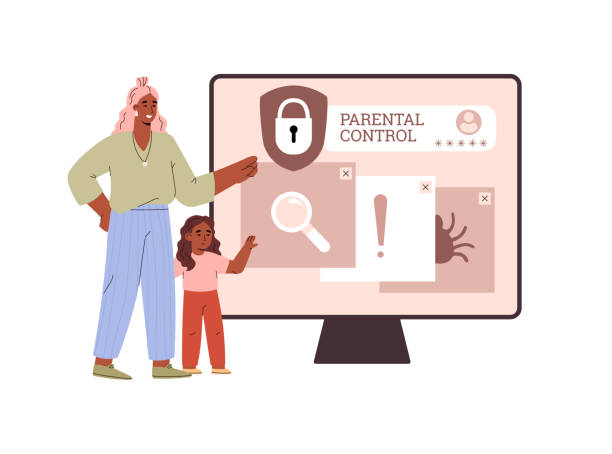

Raising kids in a connected world means navigating risks that simply did not exist a generation ago. Devices are more personal, apps are more social, and predators have more access points than ever before. Getting a handle on internet safety for parents does not require becoming a tech expert, but it does require staying engaged with what your kids are actually doing online.
Start with the basics. Know which apps and platforms your child uses regularly, and take the time to understand what each one actually allows, including who can message your child directly and whether their profile is visible to strangers.
Device security matters too, even though it often gets overlooked in favor of app specific concerns. Simple steps like strong passwords, updated privacy settings, and awareness of common scam tactics go a long way toward reducing risk.
Communication remains the single most important safety tool, though. Kids who feel comfortable talking to parents about their online experiences, including uncomfortable ones, are far more likely to disclose problems early rather than hiding them out of fear or embarrassment.
Try to make these conversations routine rather than reactive, checking in regularly instead of only bringing it up after something alarming happens. A comprehensive parenting guide to online safety and privacy breaks these platforms down in plain language, which makes it much easier to have informed conversations instead of guessing at what your kid is exposed to.
Age-appropriate boundaries also matter. What works for a nine-year-old with a tablet looks very different from what works for a sixteen-year-old with a smartphone and full social media access. Reassess privacy settings and platform access periodically as your child grows, rather than setting rules once and assuming they will hold indefinitely.
It also helps to model good digital habits yourself. Kids notice how adults use devices, and conversations about screen time or online behavior tend to land better when they come from a place of shared responsibility rather than one-sided restriction. Explaining your reasoning, rather than issuing blanket rules, tends to build more lasting trust and cooperation.
Finally, know the warning signs of trouble. Sudden secrecy about devices, new unexplained gifts, or anxiety around messages can all indicate something concerning is happening online. Trust your instincts if something feels off, and remember that asking questions early is always better than discovering a problem after it has already escalated.
No family can eliminate online risk entirely, but staying informed and engaged dramatically reduces it. A step by step resource on securing devices for families walks through practical actions parents can take without needing any technical background. Internet safety is not a one time conversation. It is an ongoing part of parenting in the digital age, and the effort you put in now can protect your child for years to come.