
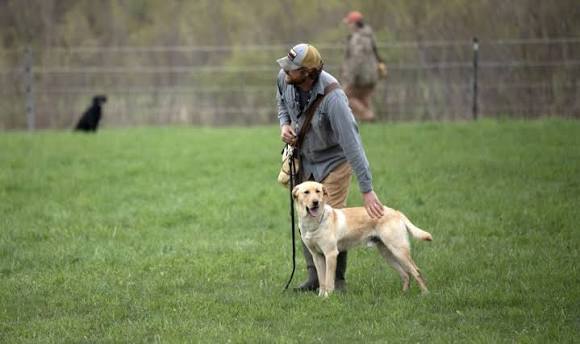

Good training starts before a dog ever practices a new command. Before setting goals, a trainer needs to understand what the dog already knows, what sets off problem behavior, and how the household handles those moments. Careful observation gives dog trainers a clearer picture of what should come first instead of forcing every dog into the same routine.
The Dog’s Everyday Behavior Tells More Than a Single Demonstration
Daily habits reveal how a dog responds when nobody is setting up a formal training exercise. Questions about food, doors, visitors, other animals, car rides, walks, and time alone expose patterns that a short lesson can miss. Watching the dog move through a normal environment also shows whether it checks in with people, reacts quickly to sounds, avoids certain spaces, or becomes overexcited with little warning.
Past behavior matters just as much as present behavior. Records of biting, guarding, bolting, destructive habits, repeated barking, or sudden fear help shape the level of management needed at the start. Experienced professionals providing Murfreesboro dog training use that history to decide which skills can be practiced safely and which situations need tighter control until the dog develops better responses.
Motivation Shows What the Dog Is Willing to Work For
Rewards only help when the dog actually values them. Food works well for many dogs, while others care more about toys, movement, access to sniffing, praise, or getting closer to something interesting. Skilled dog trainers test different options so training does not depend on a reward that loses value the moment the setting becomes exciting.
Preference can also change from one place to another. That same treat can get instant attention in the kitchen yet mean very little outside near another dog or a busy sidewalk. Professionals offering dog training in Murfreesboro TN often adjust reward value, distance, and session difficulty together so the dog can stay engaged without becoming overwhelmed.
Stress Signals Help Set the Right Starting Point
Body language gives trainers information long before a dog growls, lunges, hides, or shuts down. Lip licking, yawning, stiff posture, lowered movement, scanning, panting, pacing, and refusal of food can all show that the dog is struggling with the situation. Recognizing those signs early helps prevent a training session from becoming too intense to be useful.
Pressure changes how well a dog can learn. Fearful dogs may need more distance and slower exposure, while highly excited dogs may need shorter sessions and fewer distractions at first. People searching for dog training near me often expect the trainer to begin teaching commands right away, but a thoughtful assessment may show that emotional control needs attention before obedience work can hold up.
Household Routines Can Strengthen or Undo the Training
Consistency at home affects whether a training plan works between sessions. One family member may allow jumping, another may reward it with attention, and a third may correct it, leaving the dog with no clear pattern to follow. Details about who feeds, walks, plays with, and corrects the dog can reveal where mixed messages are happening.
Schedules matter too. Long gaps between exercise, irregular practice, unpredictable access to visitors, or too much freedom can make certain behaviors easier to repeat. Practical Murfreesboro dog training fits the plan to the household rather than expecting the household to follow an unrealistic routine that will disappear after a week.
Medical and Physical Limits Can Change the Plan
Pain, hearing loss, vision changes, digestive problems, and other physical issues can affect behavior in ways that look like disobedience. Sudden refusal to use stairs, avoidance of touch, missed familiar cues, or new irritability may call for a veterinary check before more training is added. Responsible trainers pay attention to changes that do not match the dog’s usual behavior.
Age also shapes what training should look like. Puppies may tire quickly, adolescent dogs often struggle with impulse control, and older dogs may need slower movement or shorter repetitions. Effective dog training in Murfreesboro TN should account for those limits so progress does not depend on pushing a dog beyond what it can comfortably do.
The Owner’s Goals Need to Match Real Life
Different households need different results. Priorities may include calm greetings, reliable recall, leash manners, or settling around children, while another household may need help with guarding, barking, or reactions to other dogs. Stronger plans come from knowing which behaviors interfere most with daily life and which improvements would make the biggest practical difference.
Clear goals also make progress easier to measure. “Better behavior” is vague, but walking past another dog without lunging or staying on a mat while guests enter gives everyone something specific to work toward. Talking Tails can help families looking for dog training near me by evaluating the dog’s behavior, household routines, motivation, and training goals before recommending a plan, giving Murfreesboro owners a more focused starting point than a one-size-fits-all approach.