
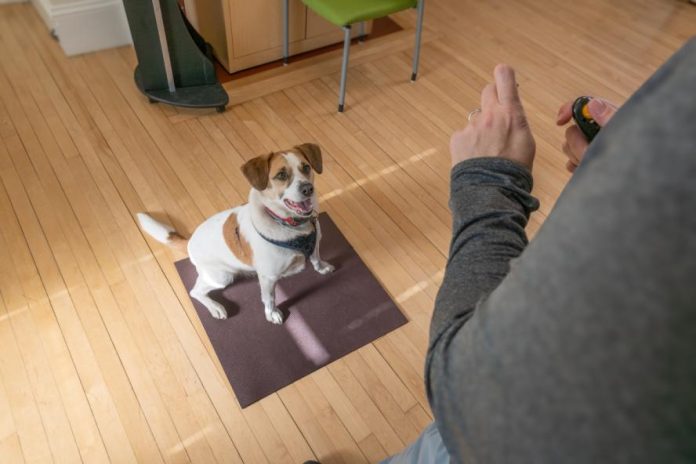

A squirrel running across the yard or another dog passing nearby can make a familiar recall command suddenly seem useless. Dogs may understand what “come” means at home but struggle to respond once something exciting catches their attention. Teaching reliable recall takes practice in different settings, with enough guidance to help dogs return to their handlers even when distractions compete for their attention.
Teaching Dogs to Come When Called, Even With Distractions
Reliable recall starts with teaching dogs that responding to a command brings something worthwhile. Trainers introduce one clear cue, such as “come,” and practice it at short distances where the dog can succeed. Repeating the command while a dog continues ignoring it can weaken its meaning. During early sessions, handlers reward the dog for turning toward them and returning promptly. Food, favorite toys, and short games can all make coming back more appealing than whatever caught the dog’s interest.
Timing also affects how well the lesson sticks. Positive feedback should begin as soon as the dog turns toward its handler, followed by a reward once it arrives. Training includes gentle collar handling so dogs become comfortable being approached or held after returning. Owners searching for dog training near me often want help with basic commands, but dependable recall requires additional practice. Dogs need to understand that returning is worth doing even while sniffing, playing, or watching something move nearby.
Building Recall Skills Before Taking the Leash Off
Freedom should develop gradually rather than beginning with an owner unclipping the leash in an open field. Early dog obedience training takes place in controlled areas where trainers can introduce commands without overwhelming the dog. A fenced yard or enclosed training space gives handlers room to practice while preventing unwanted wandering. From there, a long training line allows dogs to move farther away without losing the safety of a physical connection.
Keeping the line loose during successful recalls helps the dog learn to respond to the verbal cue instead of waiting to feel leash pressure. Otherwise, the animal may become dependent on being guided back rather than choosing to return. Successful sessions also include having the dog remain near its handler briefly before receiving permission to move away again. Those small exercises prevent dogs from learning to approach, grab a reward, and immediately run off. Gradually increasing distance gives trainers a better picture of how well the command works before allowing greater freedom. Secure training areas remain useful even after dogs demonstrate dependable responses because unfamiliar surroundings can introduce unexpected risks.
Getting Dogs to Respond Around Other Dogs and People
Other dogs create powerful distractions, particularly for animals that associate every encounter with playtime. Instead of beginning in crowded spaces, trainers work at a distance where the dog can notice another animal without becoming overly excited. Controlled exposure allows handlers to reward attention and encourage the dog to turn away from something interesting. Gradual changes in proximity help build the ability to return without rushing toward every passing dog.
People present different challenges because their movements and behavior can attract attention. Friendly strangers may encourage greetings, while joggers, cyclists, and children running nearby can trigger chasing. Anyone searching for dog obedience training near me should consider whether instruction includes supervised practice around everyday activity. Dogs benefit from learning to respond while people walk past, wait calmly during greetings, and return after brief social interactions. Practice should remain manageable, with trainers adjusting distance whenever excitement makes it difficult for the dog to focus.
Using Distance and Distractions to Test Recall Reliability
Distance changes the difficulty of recall even before another distraction appears. At forty feet, a dog may respond differently than it would when standing just a few steps from its handler. Skilled trainers adjust the distance, surrounding activity, and length of time a dog spends investigating its environment. This approach identifies which conditions make recall harder without increasing every challenge at once.
If a dog ignores the command, trainers can shorten the distance or reduce distractions before trying again. Families comparing dog training Huntsville AL programs can ask how instructors test recall outside familiar training spaces. Proofing a command involves practicing in different fenced locations, around moving people, and near controlled activity involving other dogs. One successful response during a lesson does not establish reliability everywhere, so repeated practice helps reveal whether the skill carries over to new situations. Local leash laws, traffic, wildlife, and other hazards also affect where off-leash exercises can safely take place. Even well-trained dogs need appropriate supervision and boundaries.
Why Consistent Training Matters for Off-Leash Recall
Consistency means using the same recall cue and reinforcing the behavior throughout ordinary activities. Household members should agree on the command, reward timing, and expectations so the dog receives clear instructions from everyone. Punishing a dog after it finally returns can create a negative association with coming back, making future responses less dependable. Short recall games during yard time, supervised walks, and play sessions give dogs regular opportunities to practice. Mixing treats with praise and favorite activities keeps the experience interesting, while particularly difficult recalls deserve stronger rewards.
Long-term off leash k9 training also teaches owners to recognize situations where additional control is necessary. Busy roads, unfamiliar dogs, and wildlife may create distractions beyond a dog’s current ability, making a leash or long line the safer option. Responsible handlers continue reinforcing recall rather than assuming a trained dog will respond perfectly under every condition. K9 Dynamics provides dog obedience training and off-leash programs for Huntsville-area dogs, including structured practice around everyday distractions. Its trainers also work with owners on clear communication and consistent handling, helping them strengthen recall skills beyond formal training sessions.