
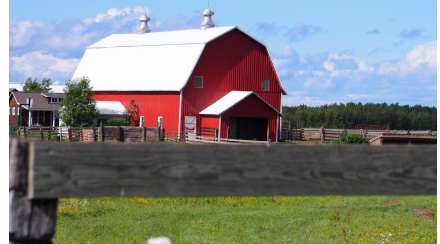

Building a custom barn is a significant investment that requires balancing functional necessity with aesthetic design.
Whether the structure is intended for livestock, equipment storage, workshop space, or even partial residential use, its success hinges on meticulous planning tailored to the specific needs of the owner.
Unlike pre-fabricated kits, a custom barn offers the flexibility to optimize layout, select specialized materials, and integrate systems like ventilation and power from the ground up.
To ensure the finished structure is durable, efficient, and perfectly suited to its purpose, prospective builders must follow a disciplined approach to design, legal compliance, and contractor selection.
1. Define the Primary Function and Future Scalability
The first and most critical step is to clearly define the barn’s primary function. Will it house horses, requiring specific stall sizes and wash racks, or heavy machinery, demanding wide bays and high clearance? Plan for future needs by overestimating storage space and utility capacity.
Considering potential expansion—such as adding a lean-to or converting upper levels—in the initial design phase will save significant money and structural rework later.
2. Secure Permits and Understand Zoning Regulations
Barn construction is subject to local zoning laws and building codes, which vary dramatically based on the property’s designation (agricultural, residential, rural).
Before any work begins, thoroughly research local requirements regarding setbacks from property lines, maximum height, square footage limits, and specific mandates for utilities like water and electrical service.
Securing all necessary permits early prevents costly shutdowns and mandatory demolition later in the process.
3. Comprehensive Site Preparation and Foundation Design
The site location and foundation are paramount to the barn’s longevity. Choose a location with good drainage and consider prevailing winds for optimal ventilation.
The foundation type—whether a concrete slab, footings, or pole barn construction—must be appropriate for the soil type and the structural load of the building. Investing in proper site grading and a robust foundation prevents settling, moisture intrusion, and structural movement over time.
4. Vetting and Engaging a Specialized Barn Contractor
The success of your project depends heavily on the chosen professional. Look for a barn contractor who specializes specifically in agricultural or equestrian structures, not just general residential homes.
Review their portfolio for projects similar in size and complexity to yours, checking references for adherence to budget and timeline.
A specialized barn contractor understands the unique requirements for structural loading, animal safety, and airflow that general builders might overlook.
5. Prioritize Structural Integrity and Safe Rigging Practices
Given the large scale and open interior of most barns, structural integrity is paramount. Work with your contractor to ensure high-quality materials are used for trusses, posts, and beams.
During construction, observe that all lifting, bracing, and rigging practices adhere to strict safety standards. Proper rigging is essential for safely hoisting large, heavy structural components like purlins and rafters, guaranteeing the barn’s ultimate stability and safety.
6. Design for Optimal Ventilation, Lighting, and Access
Functionality hinges on internal design. Adequate ventilation is crucial, whether through passive methods like ridge vents and cupolas or active fans, to manage heat and moisture. Maximize natural light with strategically placed windows or translucent roof panels to save on energy costs.
Finally, ensure all doors, gates, and access points are wide enough for the largest anticipated equipment, allowing for smooth operation and ease of movement within the finished structure.