

Key Takeaways
- Self-service technologies are enhancing patient autonomy and streamlining healthcare processes.
- Implementing these solutions leads to improved operational efficiency and patient satisfaction.
- Challenges such as digital literacy and data security must be addressed for successful adoption.
Table of Contents
- Introduction
- The Rise of Self-Service Technologies in Healthcare
- Benefits of Self-Service Solutions
- Challenges and Considerations
- Real-World Examples
- Future Outlook
- Conclusion
Introduction
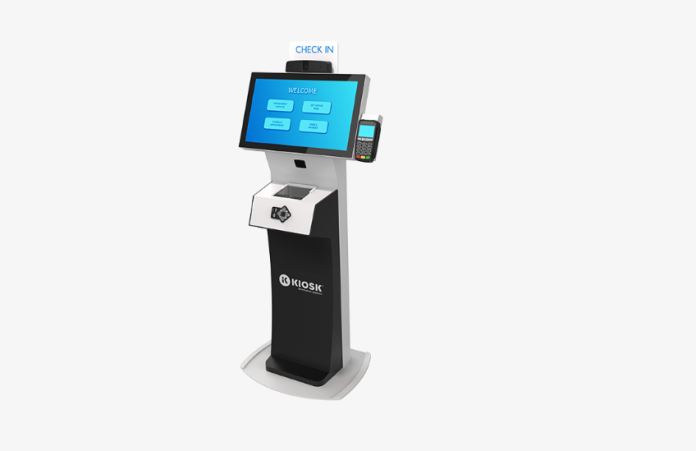
Rapid advancements in digital technology are transforming the way healthcare is delivered and experienced. Patients increasingly expect convenient, streamlined interactions that put them in control of their care. The healthcare industry is undergoing a significant transformation, placing greater emphasis on empowering patients through innovative technologies. This shift toward patient self-service solutions encourages individuals to actively manage their own healthcare, thereby enhancing both the accessibility and efficiency of medical services. Key advancements, such as patient check-in kiosks, have become a cornerstone of modern care environments, enabling patients to register, update their health information, and navigate healthcare facilities with ease.
Self-service platforms are transforming healthcare operations by simplifying patient check-ins, reducing administrative burdens, and improving overall efficiency. Patients benefit from greater convenience and autonomy, as they can complete forms, update information, and manage appointments digitally without relying solely on staff. As technology becomes increasingly central to patient experiences, healthcare organizations are reimagining their engagement strategies to meet the rising expectations for seamless, accessible, and personalized care. By embracing these platforms, providers not only enhance workflow efficiency but also strengthen patient satisfaction, foster loyalty, and position themselves competitively in an increasingly digital and tech-driven healthcare landscape.
The Rise of Self-Service Technologies in Healthcare
Self-service solutions in healthcare span a variety of user-facing tools that encourage active participation in care tasks. These innovations include online portals for accessing medical records, digital appointment scheduling, self-check-in kiosks, and mobile applications that monitor health metrics or allow prescription management. Healthcare facilities are leveraging these tools to minimize paperwork, reduce wait times, and deliver more personalized patient experiences.
According to recent reports by the American Hospital Association, the majority of large healthcare systems have incorporated some form of patient self-service technology to address the mounting demand for convenience and transparency in care delivery. As a result, patients are interacting with healthcare providers on their own terms, driving a change in expectations across the industry.
By establishing a direct interface between patients and their healthcare providers, these technologies support the shift from reactive medical care to a more proactive and engaging approach.
Benefits of Self-Service Solutions
- Enhanced Patient Autonomy: Digital platforms give patients greater access to their health data, medication refills, and appointment scheduling, empowering them to take control of their care journey at their convenience.
- Operational Efficiency: By automating repetitive administrative tasks, healthcare staff can reallocate their time to more value-added patient care activities, reducing burnout and improving service capacity.
- Improved Patient Satisfaction: Patients experience greater satisfaction when long wait times are eliminated, check-in procedures are simplified, and communication is streamlined.
Research from Health Affairs confirms that digital self-service platforms can increase patient satisfaction scores and improve health outcomes by enhancing access to information and convenience.
Challenges and Considerations
Despite the many benefits, there are important considerations when deploying self-service healthcare technologies:
- Digital Literacy: Self-service platforms must accommodate users with varying degrees of technological fluency. Healthcare organizations must provide onboarding and ongoing support to ensure equitable access for all patient populations.
- Data Security: Robust cybersecurity measures are crucial for safeguarding sensitive medical information from breaches and ensuring compliance with regulations such as HIPAA. This often requires continuous system updates and staff training to mitigate evolving threats.
- Integration with Existing Systems: Seamlessly connecting new solutions with legacy electronic health record systems and operational platforms is crucial for preventing workflow disruptions and ensuring data consistency and integrity.
Effective rollout of patient self-service solutions hinges on striking a balance between innovation, inclusivity, and risk management. As noted by Modern Healthcare, organizations that invest in user education and cybersecurity are seeing more successful adoption rates and higher patient engagement.
Real-World Examples
- Selfii and CLEAR Partnership: Selfii’s collaboration with CLEAR is streamlining patient access to health records through a secure, nationwide data exchange network. Their approach minimizes administrative workload and aligns with federal data access mandates, offering patients stronger data privacy and faster response times.
- Relatient’s Self-Scheduling Tools: Relatient’s Dash Self tool has shown remarkable results, with a significant increase in patient-driven scheduling. In 2024, organizations using this tool saw a 30% increase in appointments booked directly by patients, highlighting the demand for frictionless, autonomous scheduling options.
Future Outlook
Looking forward, patient self-service technologies are poised to become increasingly intuitive, widely accessible, and highly secure, transforming how individuals interact with healthcare systems. Innovations such as AI-powered chatbots, intelligent virtual health assistants, and predictive analytics will provide personalized guidance, streamline administrative tasks, and enhance overall patient engagement. As healthcare organizations adopt fully integrated digital ecosystems, these tools aim to deliver seamless, convenient care while prioritizing privacy, equity, and inclusivity. Experts predict that proactive patient engagement through digital self-service will soon become a standard expectation, not merely an added benefit. By enabling timely communication, improved decision-making, and efficient access to services, these technologies promise a future where healthcare is more responsive, patient-centered, and operationally effective than ever before.
Conclusion
Patient self-service solutions are driving a significant transformation in healthcare by giving individuals greater control over their own care while streamlining operations for providers. These technologies enable patients to schedule appointments, access their medical records, update personal information, and communicate with care teams more conveniently, thereby fostering engagement and adherence to treatment plans. By addressing critical challenges such as digital literacy, privacy, and data security, healthcare organizations can maximize the benefits of these platforms. The continued development of self-service tools reflects a broader commitment to patient-centered care, improving access, enhancing satisfaction, reducing administrative burdens, and ultimately supporting better clinical outcomes across diverse populations.