
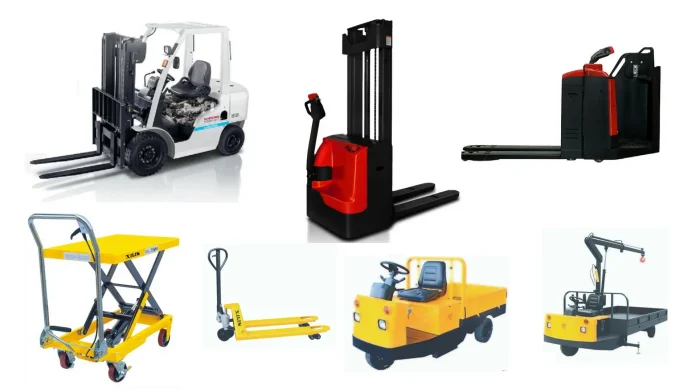

Walk any busy warehouse, and you’ll notice that the facilities running the smoothest aren’t necessarily the ones with the most equipment; they’re the ones with the right equipment for what they actually do. Sourcing reliable warehouse equipment for storage is one of those foundational decisions that shapes how well everything else in your operation functions, from receiving all the way through final dispatch.
The categories of equipment you’ll need depend heavily on your facility’s volume, your product dimensions, and your workflow layout. Forklifts and pallet jacks handle the heavy lifting, but reach trucks, order pickers, and turret trucks each serve specific needs that a standard forklift simply can’t match in dense, tall storage environments. Getting the lift equipment mix wrong is a surprisingly common and costly mistake—one that leads to damaged inventory, slower throughput, and unnecessary safety risks.
On the storage side, the equipment conversation goes beyond racking. Dock plates, pallet dispensers, stretch wrappers, and conveyor systems all play a role in keeping materials moving efficiently from the moment a truck pulls up to your dock. According to workplace ergonomics safety research resources, proper ergonomic equipment selection also reduces injury rates significantly, something that matters both for your team’s well-being and your bottom line in terms of workers’ compensation and absenteeism.
Maintenance planning should be part of the equipment conversation from day one. A forklift that’s down for an unexpected repair during peak season can throw off your entire operation. Building a preventive maintenance schedule into your equipment strategy, not as an afterthought but as a core operational habit that keeps reliability high and total cost of ownership lower over time. Fleet telematics tools now make it easier than ever to track usage hours, flag early warning signs, and schedule service before breakdowns happen.
Budget is always a factor, but buying on price alone tends to backfire. Cheaper equipment often comes with limited parts availability, weaker support networks, and shorter operational lifespans that make the apparent savings disappear within a few years. It’s worth comparing the total cost of ownership alongside the upfront price including maintenance, parts, downtime risk, and the operational impact of reduced performance. The equipment depreciation guidelines for businesses can also help facilities plan for equipment replacement cycles more accurately, which smooths out capital budgeting considerably.
At the end of the day, warehouse equipment decisions aren’t just about what’s on sale or what the competitor down the road is using. They’re about understanding your own workflows deeply enough to choose tools that genuinely support them and being willing to revisit those choices as your operation evolves.