
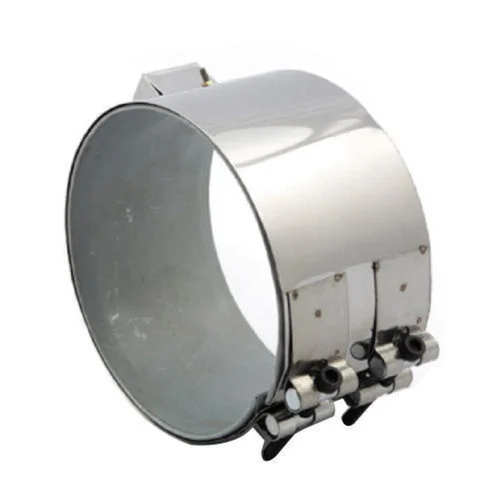

Production floors depend on consistent heat more than most operators realize. Heating components often run quietly in the background while shaping plastics, maintaining viscosity, or stabilizing flow in processing equipment. Understanding what drives mica band heater price helps manufacturers make informed decisions without compromising performance or longevity.
Overall Wattage and Power Rating Required for the Application
Wattage sits at the core of how mica band heaters are built and priced. Higher power ratings demand thicker resistance elements, increased current handling, and tighter manufacturing tolerances. These factors raise material usage and assembly complexity, which directly affects cost. Different applications also require different watt densities. A heater designed to deliver steady, moderate heat over long cycles will differ in construction from one meant to reach high temperatures quickly. As wattage increases, so does the need for precise heat distribution to avoid hot spots that shorten heater life.
Physical Diameter and Size of the Mica Band Heater Element
Size influences more than appearance. Larger diameters require longer resistance paths and more mica insulation layers, increasing both labor and material costs. Small diameter mica band heaters, while compact, often demand tighter bending tolerances that add to fabrication time. The width of the band also plays a role. Wider bands distribute heat more evenly but use additional steel and mica. In manufacturing environments where heaters wrap around barrels or nozzles, size customization often becomes a price-driving factor rather than a simple specification.
Temperature Rating Needed for Specific Manufacturing Tasks
Temperature capability is closely tied to mica band heater price. Higher temperature ratings require upgraded insulation, refined resistance alloys, and more robust outer sheathing. These enhancements ensure stability under thermal stress but raise production costs. Applications involving plastics, adhesives, or chemical processing often demand consistent high temperatures. Designing mica band heaters that maintain output without degrading insulation adds layers of quality control and testing that influence final pricing.
Whether Custom Design Features Are Specified by the Buyer
Standard heaters benefit from repeatable designs and predictable assembly steps. Custom features disrupt that efficiency. Requests for non-standard mounting holes, special clamping mechanisms, or unique cutouts require additional engineering and tooling adjustments.
Customization also affects testing and validation. A modified mica band must be verified for fit and performance before shipment. That added time and expertise contribute to a higher mica band heater price compared to off-the-shelf options.
Type and Quality of Mica Insulation Materials Used
Not all mica insulation performs the same. Higher-grade mica offers improved dielectric strength and thermal stability, which extends heater lifespan. Premium insulation materials cost more but reduce failure rates in demanding environments. Lower-cost mica may suit light-duty applications, but industrial settings often justify higher-quality insulation. The choice between grades directly impacts durability, making insulation quality one of the most significant pricing variables for mica band heaters.
Lead Length and Termination Types Included with the Heater
Electrical leads appear simple but influence cost more than expected. Longer lead wires require additional high-temperature insulation and strain relief. Specialized terminations such as armored leads or custom connectors increase material and assembly effort. Termination design also affects installation safety and reliability. Heaters built for frequent maintenance access may include reinforced terminations, which adds to price while reducing downtime risk during operation.
Any Added Coatings or Protective Finishes for Harsh Conditions
Manufacturing environments expose heaters to moisture, chemicals, and abrasion. Protective coatings such as stainless steel sheathing or corrosion-resistant finishes improve durability. These treatments add steps to the manufacturing process, raising overall cost.
Coatings also influence heat transfer efficiency. Applying finishes that balance protection with thermal conductivity requires careful material selection. This balance is reflected in the pricing of mica band heaters built for harsh conditions.
The Volume of Heaters Ordered Affecting Bulk Pricing Discounts
Order quantity plays a major role in pricing. Larger production runs reduce setup costs per unit and allow manufacturers to optimize material purchasing. Bulk orders typically lower the mica band heater price through economies of scale.
Smaller orders, especially for custom designs, carry higher per-unit costs. Each setup, test cycle, and inspection must be repeated regardless of volume. Manufacturers often recommend forecasting heater needs to take advantage of bulk pricing where possible.
Understanding pricing factors allows manufacturers to align heater selection with operational demands rather than focusing on upfront cost alone. Thermal Corporation can assist by evaluating application requirements, recommending appropriate mica band heaters, and delivering solutions that balance performance, durability, and long-term value across manufacturing environments.