
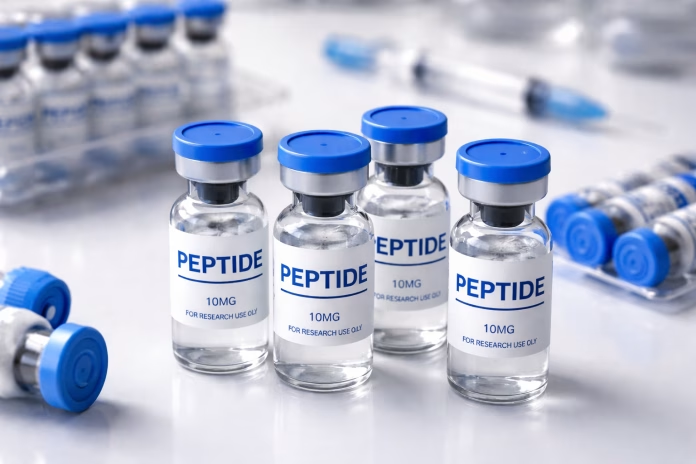

If you’ve been paying attention to the world of integrative health lately, you’ve probably started hearing the word “peptides” come up more and more. It can sound technical, maybe even intimidating, but the concept is actually quite straightforward, and the potential benefits are exciting enough that they’ve made their way into serious clinical conversations. In simple terms, peptides are short chains of amino acids that act as signaling molecules in the body, essentially communicating instructions to your cells about how to function, repair, and regulate themselves.
Your body already makes thousands of different peptides naturally. They regulate everything from growth hormone production to immune response, inflammation control, tissue repair, and even sleep quality. The problem is that as we age, the natural production of many of these peptides slows down significantly. That’s where therapeutic peptides come in, as specific peptide compounds can be used to support or reactivate processes that have become sluggish over time. Research published through the National Institutes of Health on anti-aging peptide therapeutics has highlighted how these molecules can target multiple hallmarks of aging at the cellular level, from mitochondrial function to tissue regeneration.
Some of the most commonly used peptides in wellness settings target areas like fat metabolism, lean muscle preservation, collagen production, immune modulation, and cognitive clarity. Unlike hormones, which work more broadly across the body, peptides tend to be highly specific; they send a targeted signal to a particular type of cell or biological pathway. This precision is part of what makes them so appealing from an integrative medicine standpoint, where the goal is to support the body’s own intelligence rather than override it.
People who incorporate peptide protocols into their wellness plans often describe a gradual but noticeable shift—improved recovery after exercise, better sleep, clearer skin, steadier energy, and, in some cases, a reduction in inflammation that had been lingering for years. These results aren’t overnight miracles, but rather the cumulative effect of cellular repair happening at a deeper level. That’s what makes peptide therapy a long-game investment in your health rather than a quick fix.
It’s important to approach peptide therapy with guidance from a knowledgeable provider who can assess your health history and goals before recommending a specific protocol. Not every peptide is right for every person, and the dosage, delivery method, and combination of compounds all matter. When integrated thoughtfully alongside other wellness strategies — like nutritional support, hormone balancing, and lifestyle adjustments — peptides can become a genuinely powerful component of a comprehensive health plan. The NCCIH’s ongoing whole-person health research reflects the same principle: lasting wellness outcomes require addressing the body as an interconnected system, not a collection of separate problems.
As science continues to evolve, peptide therapy is gaining recognition not just among biohackers and elite athletes but among everyday people who want to age well, feel their best, and take a smarter approach to their long-term health. If you’re curious whether peptides might be a good fit for your wellness goals, a consultation with an integrative health specialist is the best place to start.