

Table of Contents
- Why Seasonal Pest Planning Works
- Winter: Seal Gaps and Check Hidden Areas
- Spring: Watch for Ants, Termites, and Flying Pests
- Summer: Reduce Water, Shade, and Food Sources
- Monsoon Weather and Sudden Pest Activity
- Fall: Prepare for Rodents and Indoor Invaders
- A Simple Monthly Home Pest Checklist
- When Do-It-Yourself Prevention Makes Sense
- When to Request a Professional Inspection
- Conclusion
In warm, dry climates, pest prevention is less about waiting for a problem and more about keeping your home from becoming an easy source of water, food, and shelter. Homeowners who build small inspections into their routine can often catch issues early, and local support from greenmangopest.com can be useful when signs point to an established infestation or a hard-to-find entry point. Heat, irrigation, sudden rain, landscaping, clutter, and tiny gaps around the structure can all affect what shows up around a home. Use this seasonal plan as a flexible guide, then adjust it for local weather patterns, your property’s design, and the pests commonly seen in your neighborhood.
Why Seasonal Pest Planning Works
Pest activity does not follow a calendar perfectly. It follows conditions. Temperature, available moisture, food, and protected hiding places can cause activity to start earlier or last longer than expected, especially in mild winters. An integrated pest management approach focuses on removing the conditions that attract pests before treatment becomes necessary. A loose door sweep in January can become a rodent entry point in the fall. A slow irrigation leak in spring can support ants through summer. Seasonal checks help you address those small maintenance needs before they become larger, more expensive problems.
Winter: Seal Gaps and Check Hidden Areas
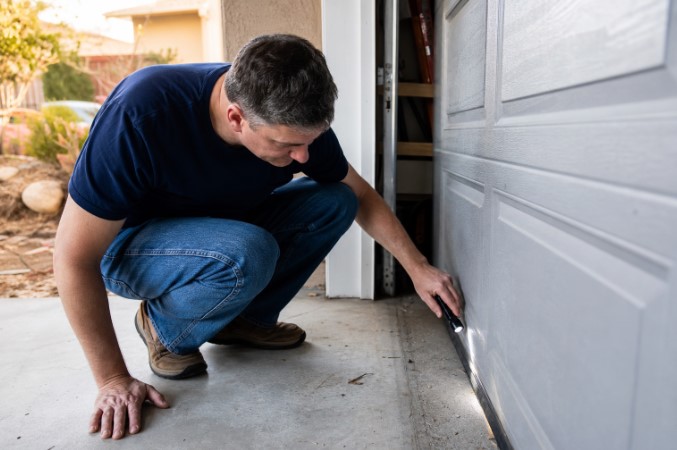
Winter is a useful time to inspect a warm-climate home because many outdoor areas are easier to access, and mild days can still keep insects active. Walk the outside perimeter and check door sweeps, window screens, garage doors, roof vents, utility openings, and gaps where pipes or cables enter the structure. Inside, inspect attics, storage rooms, under-sink cabinets, wall-adjacent shelving, and rarely used closets. Reduce hiding places by recycling cardboard, clearing paper piles, and removing unused containers. Look for droppings, gnaw marks, shed skins, webbing, mud tubes, or greasy rub marks along walls and baseboards. These signs are often more useful than a single live sighting.
Spring: Watch for Ants, Termites, and Flying Pests
As temperatures rise, pest activity often increases around kitchens, patios, gardens, exterior walls, and irrigation zones. Watch for repeated ant trails, especially near sinks, pet bowls, outdoor faucets, or foundation walls. A trail that keeps returning may indicate a nearby nest, accessible food, or a moisture issue that needs correction. Winged insects near windows, light fixtures, or the foundation deserve a closer look. They may be harmless seasonal insects, but repeated swarms or discarded wings near structural wood should not be ignored. Trim branches and vines that touch the home, repair leaks around hoses and air-conditioning equipment, and keep pet food in sealed containers. Clean spills promptly, indoors and outside.
Summer: Reduce Water, Shade, and Food Sources
Extreme heat can drive pests toward cooler, darker, and more humid spaces. Garages, shaded patios, pool equipment areas, laundry rooms, and storage corners often become attractive refuges. Check these areas regularly instead of waiting until you see a pest indoors. Repair leaking irrigation parts and avoid standing water in plant saucers, buckets, toys, tarps, and clogged drainage areas. Keep outdoor bins closed, rinse sticky residue from recyclables, and move firewood, dense ground cover, and stored materials away from exterior walls. Before using items left outdoors, shake out shoes, gloves, towels, and clothing.
Monsoon Weather and Sudden Pest Activity
Heavy rain can disrupt pests living in soil, cracks, landscaping, and wall voids. Fresh moisture also encourages plant growth and can create new shelter or food sources. When insect activity increases, predators such as spiders and scorpions may become more noticeable because prey becomes more abundant. Before major storms, seal any visible cracks and check weatherstripping around doors. Afterward, inspect window screens, drainage paths, patio clutter, and areas where water collects close to the foundation. Do not assume that a pest appearing after rain is a one-time event; record where it was found and check the same location after the next storm.
Fall: Prepare for Rodents and Indoor Invaders
As outdoor conditions shift, pests may look indoors for dependable shelter and food. Inspect the roofline, garage threshold, foundation, vents, fireplace openings, and plumbing penetrations. Since mice can enter through surprisingly small openings, follow the practical advice to seal gaps and holes around the home before colder nights or seasonal rain, which encourages them to stay indoors. Clear leaf litter, fallen fruit, and overgrown plants near the structure. Store decorations and infrequently used belongings in sealed plastic bins rather than in loose cardboard boxes. Before using a shed, fireplace, guest room, or storage area that has been quiet for months, inspect for nests, droppings, damaged materials, and insects hiding in stored items.
A Simple Monthly Home Pest Checklist
- Walk the exterior and look for cracks, damaged screens, gaps, and loose seals.
- Check for standing water, damp soil, dripping faucets, and irrigation overspray near walls.
- Inspect trash, recycling, pet food, pantry goods, and outdoor cooking areas.
- Move clutter away from walls so storage areas remain easy to inspect.
- Look for fresh signs, including droppings, shed skins, webbing, damage, and trails.
- Write down the location, date, weather, and type of pest seen.
A simple written log can reveal patterns. Activity after irrigation may point to moisture. Repeated sightings beside the garage may suggest an entry gap. Pests that appear after storms may indicate a drainage or exterior-sealing issue.
When Do-It-Yourself Prevention Makes Sense
Low-risk prevention tasks are often appropriate for homeowners. Cleaning, decluttering, sealing minor gaps, trimming vegetation, improving storage, and correcting small leaks can make a meaningful difference. Identify the pest before choosing a product, because a spray may offer short-term relief while leaving the real cause, such as water or shelter, unchanged. Never mix pest-control chemicals, use products in food-preparation areas unless the label permits it, or disregard directions. Keep children and pets away from treated areas for the time specified on the label.
When to Request a Professional Inspection
Request an inspection when sightings persist despite prevention efforts, damage expands, odors develop, droppings appear repeatedly, or pests are found in bedrooms and food areas. Termites, bed bugs, rodents, stinging insects, and venomous pests can be difficult to assess based on a single visible sign. Ask for a clear inspection report, the likely source identified, a treatment plan, safety instructions, and follow-up expectations. A qualified professional should explain licensing, product use, ventilation needs, and precautions for children and pets before recommending control measures.
Conclusion
Pest prevention is most effective when it becomes part of regular home maintenance. Simple monthly checks of moisture, clutter, screens, seals, storage areas, and landscaping can help homeowners catch problems before pest activity becomes widespread. By adjusting these habits to seasonal weather, common local pests, and the home’s specific weak points, homeowners can reduce attractants and limit potential entry points. Early action can also make pest management easier and less costly.