
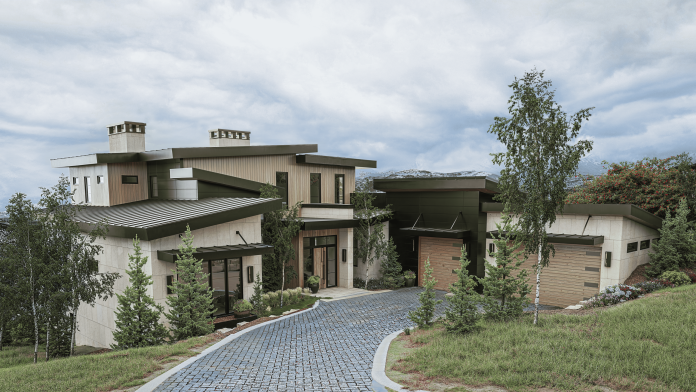

If you’ve ever tried to explain your dream home to a contractor without a proper set of drawings, you already know how quickly miscommunication can become an expensive problem. That’s exactly why having solid custom home plans prepared before a single shovel hits the ground is one of the smartest moves you can make at the start of any build. A well-crafted plan isn’t just a blueprint; it’s your roadmap, your budget guide, and your full vision captured in one cohesive set of documents.
Custom plans are fundamentally different from stock plans because they’re built entirely around your specific lot, your lifestyle, and your real priorities. Maybe you need a home office that’s acoustically separated from the rest of the house or a mudroom that connects directly to the garage because you have a large, active family. These aren’t things you can cleanly retrofit into a standard plan without awkward compromises, but they’re completely natural to build in from the start when the design is yours from day one.
What Goes Into a Great Set of Custom Plans
A complete set of home plans covers far more than the floor layout alone. You’re looking at structural drawings, electrical schematics, plumbing diagrams, and exterior elevations, all of which need to be fully coordinated so the trades working on your home aren’t improvising on-site. This Old House’s home renovation trends and tips walks through each phase from site selection to final inspection in plain language that makes the whole process feel a lot less overwhelming for first-time builders.
When these documents are thorough and accurate, your build moves faster and your final costs stay much closer to your original estimate. The time and money invested in refining your plans upfront almost always pays back multiple times over once construction is underway.
Common Mistakes to Avoid When Planning Your Build
One of the biggest errors homeowners make is rushing the planning phase because they’re eager to get started. Skipping a thorough review of your plans almost always leads to expensive change orders later, and change orders are precisely where budgets get derailed and timelines stretch far beyond what anyone expected. Taking a few extra weeks to review, revise, and finalize your drawings before breaking ground can save you thousands in avoidable costs.
Another smart move is researching local energy codes and building requirements early in the process, because these vary by municipality and can affect your design in meaningful ways. Houzz’s new construction planning resources cover this topic well and can help you ask the right questions during your initial design consultations.
Great custom home plans give everyone on your project a single source of truth. Your designer, contractor, subcontractors, and lender all work from the same set of documents, and when those documents are excellent, your finished home reflects that level of care and precision from the very first day to the last.