
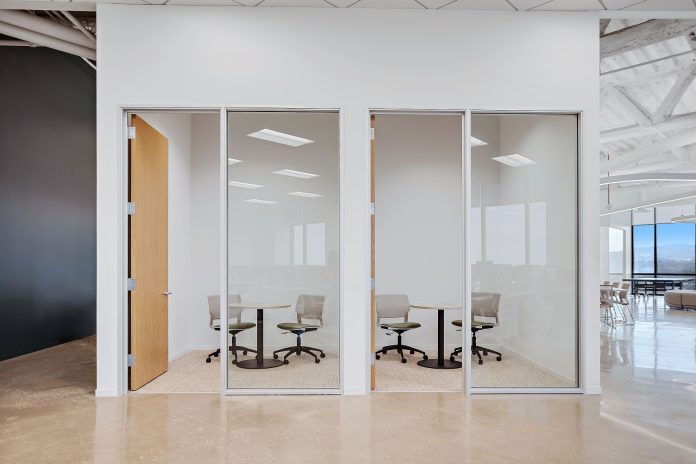

When most people think about setting up a workspace, they focus on the tech: the laptops, the monitors, the fast Wi-Fi. But if you’ve ever spent a long day sitting in an uncomfortable chair or hunching over a desk that’s just slightly too low, you already know that the furniture matters just as much. The right setup quietly shapes how people feel, focus, and perform every single day, and that’s something worth paying closer attention to. If you’re ready to upgrade your space, working with a trusted office furniture supplier is one of the smartest first steps you can take toward building a workspace that actually works.
Whether you’re setting up a small startup office or outfitting an entire floor for a growing company, the choices you make about furniture set the tone for everything. People spend a huge portion of their waking hours at a desk, and how that environment feels, physically and visually, has a direct effect on morale and output. A cramped, mismatched setup sends one message, while a clean, well-organized space sends a completely different one. It tells clients, employees, and anyone who walks through the door that you take your business seriously.
Ergonomics Isn’t a Buzzword; It’s a Business Decision
One thing that often gets overlooked is how much poor ergonomics costs companies over time, and not just in healthcare or sick days, but in lost focus and creeping fatigue that slows everyone down. The U.S. Occupational Safety and Health Administration has long emphasized that workplace ergonomics directly reduces injury risks and improves overall productivity, making it a practical priority rather than just a wellness trend. Chairs with proper lumbar support, desks at the right height, and monitor placement that doesn’t strain the neck are the kinds of small details that add up to a noticeably better workday for everyone on your team.
Commercial office furniture is designed with these needs in mind in a way that most consumer-grade pieces simply aren’t. The materials are more durable, the adjustability is more precise, and the designs are built to hold up under daily heavy use without wearing out or looking tired after a year. That durability also makes it a smarter financial investment; quality pieces last far longer, which means you spend less replacing things over time.
The Look of Your Space Tells a Story
Beyond the functional side, the aesthetic of your office communicates something real to the people who use and visit it. A cohesive, well-chosen furniture layout makes a space feel professional and intentional, which actually influences how people behave inside it. Teams tend to take more pride in a workspace that looks well put together, and clients form impressions within seconds of walking in. Investing in furniture that’s both functional and visually consistent isn’t superficial; it’s strategic.
Good commercial furniture also gives you flexibility as your business evolves. Modular desk systems, stackable chairs, and reconfigurable collaborative seating allow you to rearrange and scale up without starting from scratch every time your team grows or your workflow changes. That kind of adaptability is something a lot of businesses wish they’d planned for earlier.
Sustainability Is Part of the Picture Now
More companies are also factoring environmental impact into their purchasing decisions, and the commercial furniture industry has made meaningful strides in this area. Many suppliers now offer pieces made from recycled or sustainably sourced materials, certified low-emission finishes, and products designed to be disassembled and recycled at the end of their life. According to the U.S. Green Building Council, sustainably sourced office furniture improves indoor environmental quality and supports long-term employee health, giving businesses a compelling reason to think carefully about what they buy and where it comes from.
Making the Right Choice
The process of choosing office furniture doesn’t have to be overwhelming. Start by thinking about how your team actually works: do they need quiet individual focus, open collaboration, or both? From there, consider the scale of the space, the budget you’re working with, and whether you want a supplier who can handle delivery, installation, and long-term support. The details matter, and getting them right from the beginning saves a lot of headaches later.
At the end of the day, the furniture in your office isn’t just background; it’s part of the foundation your team builds their workday on. When it fits well, functions reliably, and looks the part, everything else has a better chance of running smoothly too.