
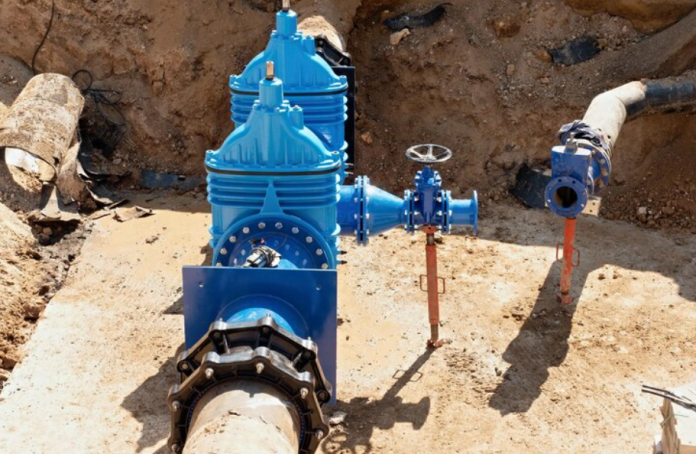

Access to clean and reliable water is essential for homes, farms, and industries. In many regions, groundwater serves as a major source of freshwater, especially where surface water is limited. One of the most effective ways to reach this underground supply is through water pump extraction, a method that helps lift water from beneath the earth to the surface. This process has made water access easier, faster, and more dependable for communities around the world. By using mechanical systems to draw water from wells and underground reserves, water pump extraction plays a key role in supporting daily life and development.
Understanding Water Pump Extraction
Water pump extraction refers to the process of using a mechanical pump to draw water from underground sources such as wells, boreholes, or aquifers. These pumps are designed to create pressure that pulls water upward through pipes and delivers it to the surface for use. The system may be powered by electricity, fuel, or even solar energy depending on the location and available resources. The main purpose of water pump extraction is to make groundwater accessible without the need for manual lifting, which can be time-consuming and physically demanding.
How Water Pump Extraction Works in Groundwater Access
The process of water pump extraction begins with a drilled well or borehole that reaches the groundwater level. A pump is installed either above ground or submerged in the water source. When the pump is activated, it creates suction or pressure that moves water through a pipe system. This water is then directed into storage tanks or directly supplied for use.
Submersible pumps are often used in deeper wells because they are placed directly in the water, allowing more efficient lifting. In contrast, surface pumps are commonly used for shallow water sources. Regardless of the type, the system ensures a continuous flow of water as long as the groundwater level is sufficient and the pump is functioning properly.
Benefits of Water Pump Extraction for Communities
One of the major benefits of water pump extraction is improved access to clean water. Communities no longer need to rely on distant rivers or manual water collection methods. Instead, water can be accessed quickly and directly at the point of need.
This system also improves hygiene and health conditions by reducing dependence on unsafe water sources. With easier access to groundwater, households can maintain better sanitation, cook safely, and support daily needs without interruption. In rural areas, this technology is especially valuable as it helps reduce the burden of water collection, often carried out by women and children.
Applications in Agriculture and Daily Use
Water pump extraction plays an important role in agriculture by providing a reliable water supply for irrigation. Farmers can use pumped groundwater to water crops during dry seasons, improving food production and reducing dependence on rainfall. This helps stabilize agricultural output and supports local economies.
In addition to farming, water pump systems are widely used in residential and industrial settings. Homes rely on them for drinking water, cleaning, and washing, while industries use groundwater for processing and cooling systems. The flexibility of water pump extraction makes it suitable for a wide range of applications.
Challenges and Maintenance Considerations
While water pump extraction offers many advantages, it also requires proper maintenance to function effectively. Pumps may experience wear and tear over time, especially when used continuously. Regular inspection is needed to ensure that pipes, motors, and valves remain in good condition.
Another challenge is the risk of over-extracting groundwater, which can lower water tables and affect long-term availability. Proper planning and sustainable usage are essential to prevent depletion of natural water resources. Energy supply can also be a concern in remote areas, although solar-powered pumps are becoming a practical solution.
Conclusion
Water pump extraction is a vital technology that has transformed the way people access groundwater. By making water easier to obtain, it supports health, agriculture, and overall development. Despite some challenges, its benefits far outweigh the limitations when used responsibly. With proper maintenance and sustainable management, water pump extraction will continue to play an important role in ensuring reliable access to water for future generations.